

Hospital de Sant Pau: Gardens, Wonders & A Matchless Modernist Building
Built on an enormous 360-acre site covering nine full blocks of Barcelona’s Eixample district, a. the historic site is a facility and an attraction that redefines the meaning of “hospital”

Hospital de Sant Pau History
The modernist architect Domènech i Montaner started this project in 1902. His ambitious project became a reality through the generous donation to the city by local aristocrat Pau Gil i Serra.
Domènech i Montaner wanted the hospital to be a place where patients and staff could find solace and healing.
He set out, above all, to avoid the sterile and institutional personality portrayed in the architecture of most hospitals.
He believed that if the patients were to recover they needed color, an agreeable environment, fresh air, trees and a solid sense of the earth.
Doménech i Montaner finished the hospital in 1910. Hospital de Sant Pau is considered to be one of the most significant works of Catalán Modernism, as well as the architect’s masterpiece.
Sant Pau Highlights
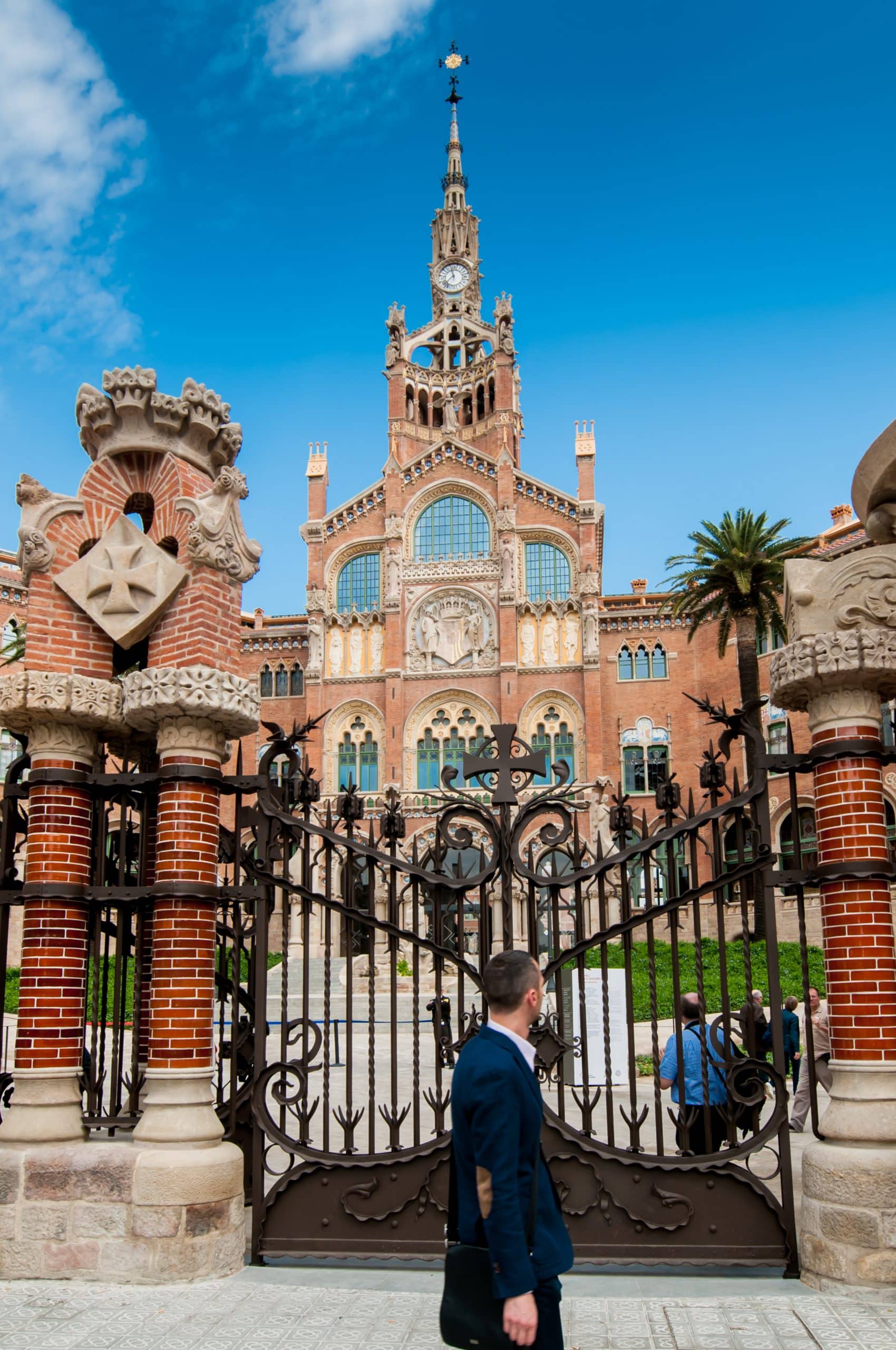
From the moment you first set eyes upon the scene of the hospital, you can see that Domènech i Montaner succeeded in his desire to make the hospital a welcoming place of healing.
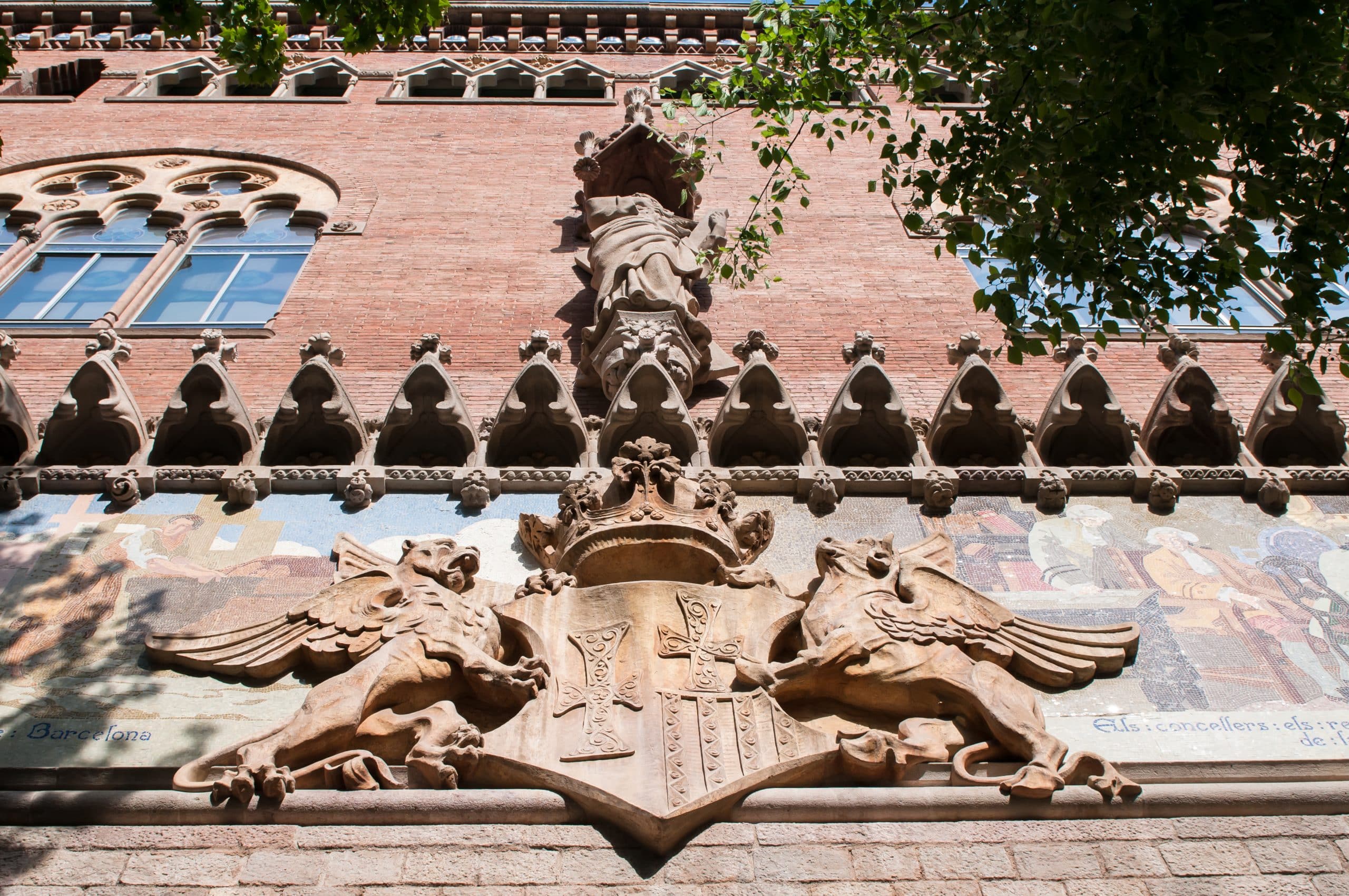
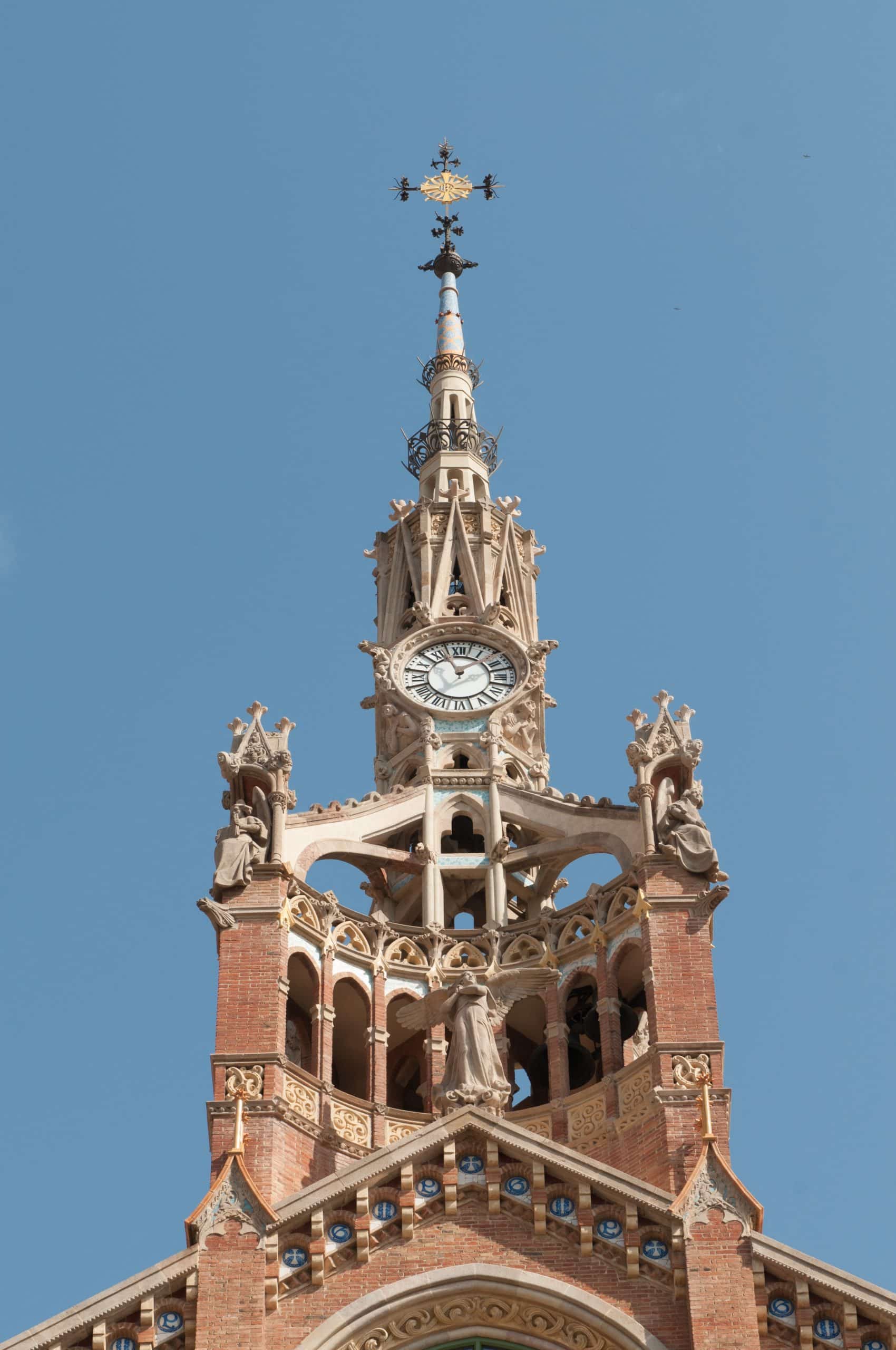
Mosaics of bright yellows, reds and greens adorn the sprawl of brick-red buildings. Windows wear a grid of green wooden panels.
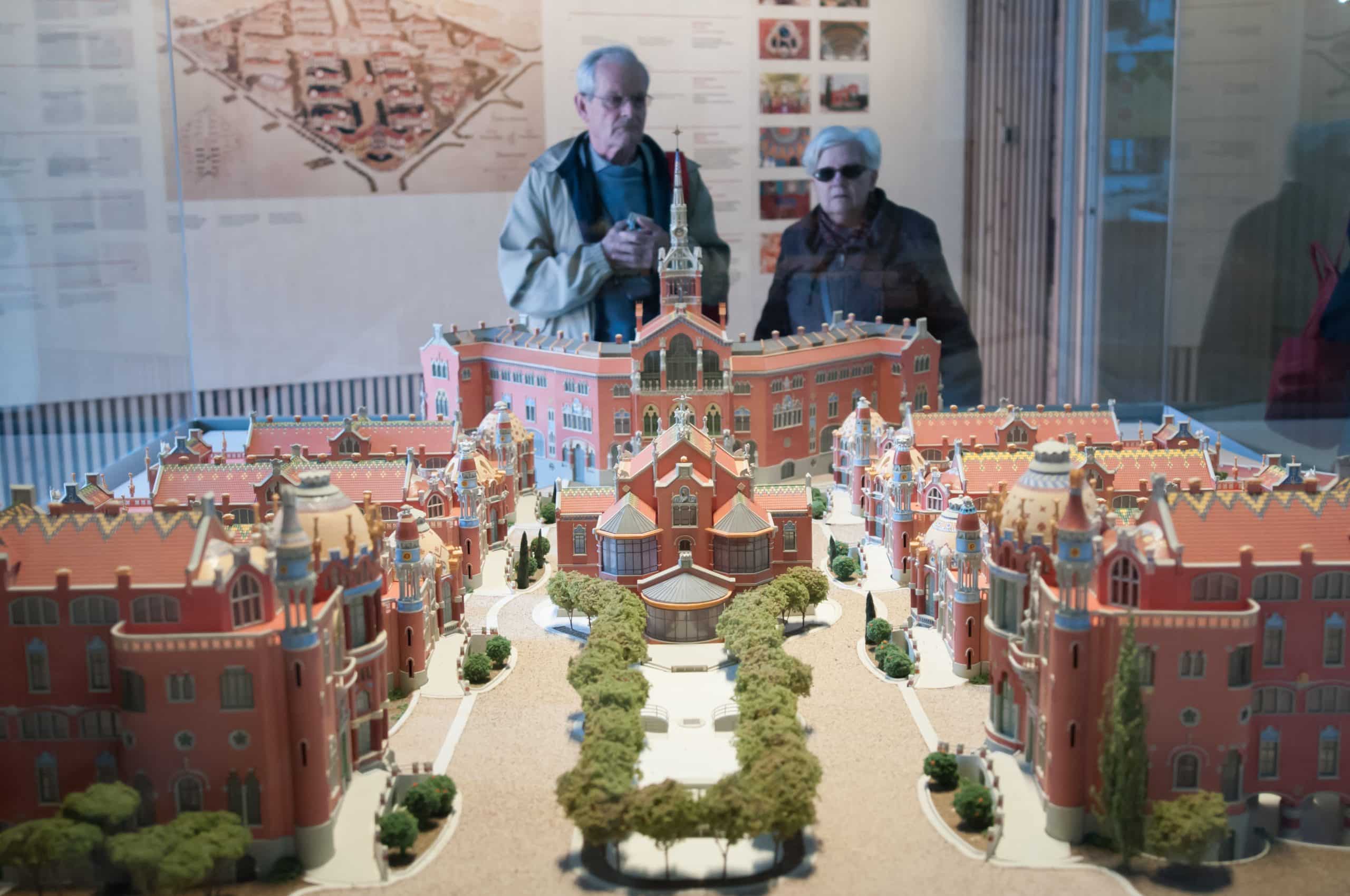
Peaceful pathways give way to lush trees and gardens that transport you away from stodgy hospital stereotypes to a haven of calm.
Sculptures of angels and saints watch over walkways where the sick once wandered.
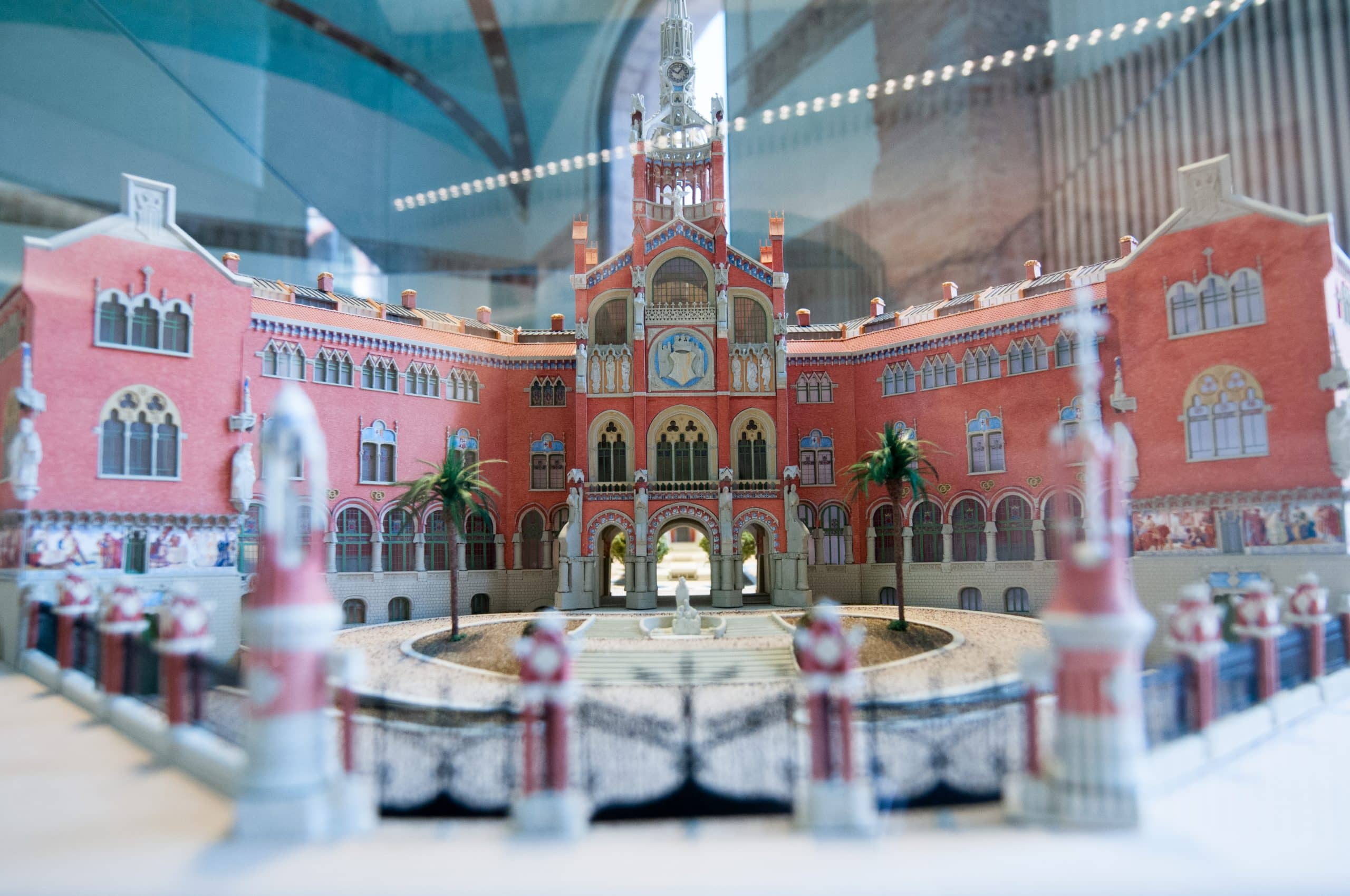
The hospital is home to 48 pavilions, millions of pieces of mosaic and brick, captivating creativity and a wealth of quiet spaces.
Natural light, the vivid colors and the many decorative and allegorical details make this a beautiful, original, Barcelona architectural attraction.
Interesting Facts About Hospital de Sant Pau
- In 1997, UNESCO named the hospital a World Heritage site.
- Workers used stone from nearby Montjuic during the construction process.
- It is the largest architectural project of “modernism”, the Sagrada Familia being its only rival in size.
- Prior to its completion, Barcelona did not have an adequate general hospital.
- Most of the hospital’s service areas and hallways are located underground so that patients can enjoy open, verdant above-ground spaces.
- The hospital’s official name is Hospital de la Santa Creu I Sant Pau.
Hospital de Sant Pau in Images
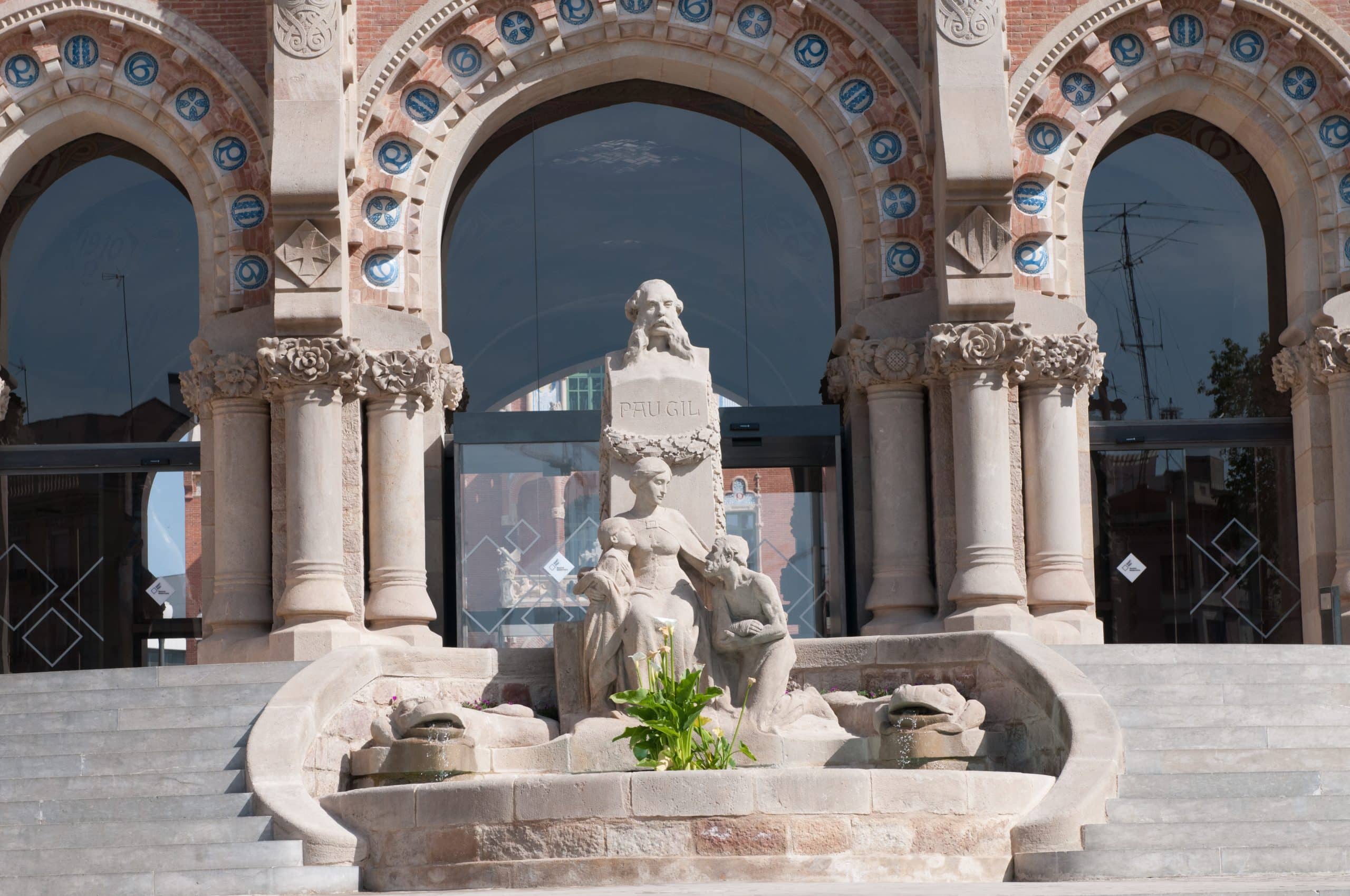
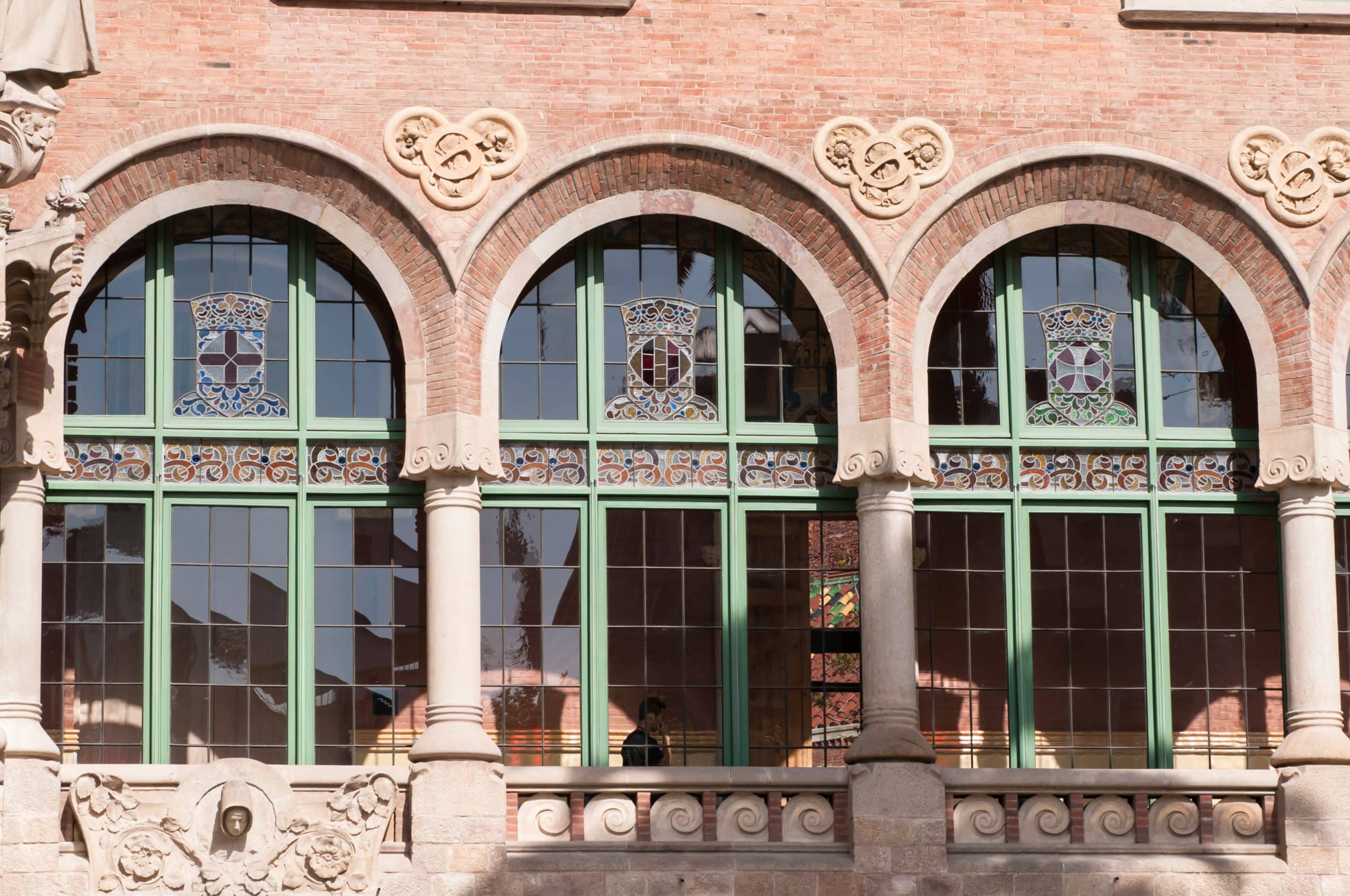
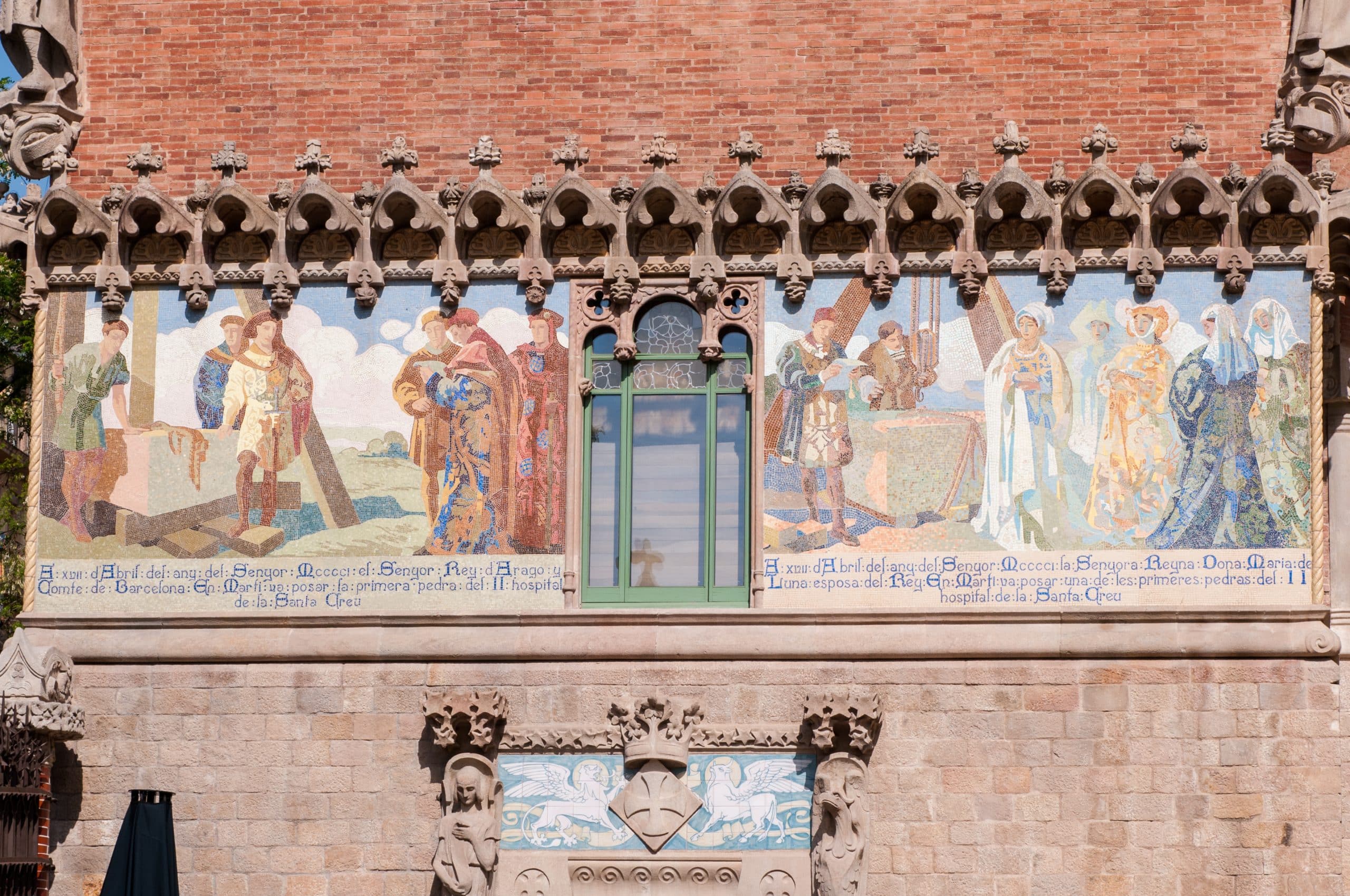
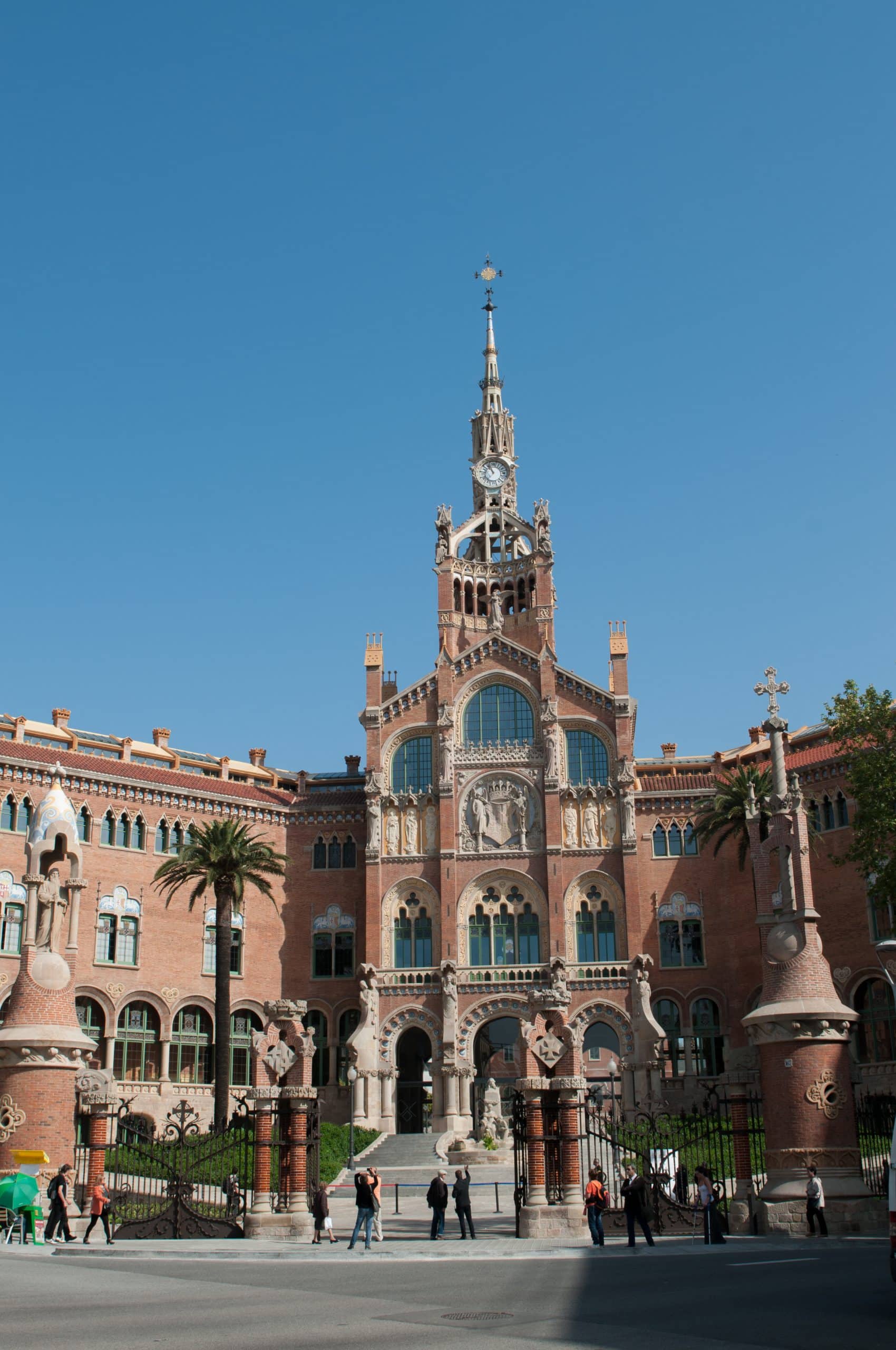
Hospita de Sant Pau Hours & Contact Information
Opening Times for Hospital de La Santa Creu I Sant Pau:
| Date | Opening Times |
| Monday-Saturday | 10 a.m. to 7 p.m. |
| Sundays | 10 a.m. to 3 p.m. |
| Last Admission | 1 hour before closing. |
| Closes | January 1 & 6, December 25 & 26 |
Location & Contact Information
- Address: Carrer de Sant Quintí, 89, 08026 Barcelona
- Phone Number: +34 93 268 2444
- Directions: You can take the blue metro line to the “Sant Pau/Dos de Maig” stop. It is an 8-10 minute walk from there.
discover Barcelona Attractions & buildings:
- The Sagrada Familia never dissapoints.
The king of Barcelona’s tourist attractions, and one of the most unique and recognizable churches in the world.
- Casa Mila, better know as the Pedrera.
Also known as Casa Mila, it’s one of the few projects Gaudi saw to completion. A visit to the roof offers great views of the city and the Sagrada Familia.
- Casa Batlo
Few structures in Barcelona match the luxury and symbolism of this apartment building reformed by Antoni Gaudi.
- The cities mosst famous food market, the Boqueria.
Colors, smells and culinary dreams come alive at this open market located just off Las Ramblas’
- Rock formations that hide a monastery within.
The holy heights of this mountain, home to a nearly 1000-year-old monastery, have long been a haven for priests, protesters and mystics.
- The Santa Maria del Mar, a gothic church.
Tucked away amid apartment buildings and narrow streets, this gothic church is a hidden gem and a shining example of Catalan gothic architecture.
- The Hospital de Sant Pau
The Hospital Sant Pau is one of the most important, and lesser known, examples of Catalán Modernism architecture.
- This medieval castle is a short drive from Barcelona.
Montesquiu castle, a 13th-century medieval structure, holds stories of ages past.